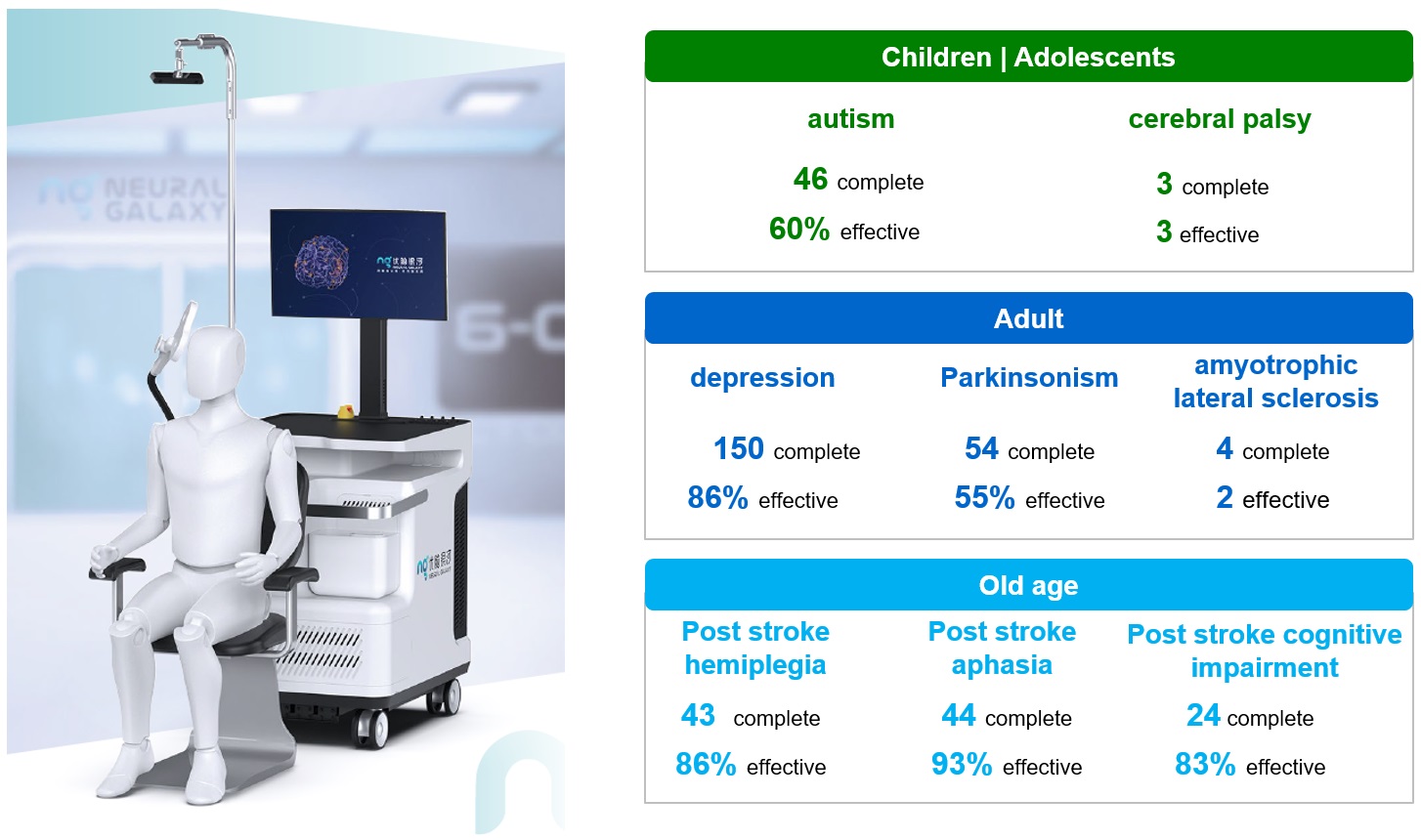
Up to now, over 1000 cross age and disease clinical verifications have been obtained. We conducted clinical trials with multiple hospitals targeting various brain diseases such as depression, aphasia, hemiplegia, Parkinson's disease, and autism, and enrolled over 1000 patients with a total effective rate of 80%.
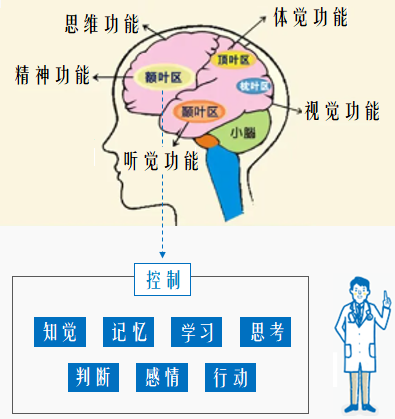
The human brain consists of three parts: the brain, cerebellum, and brainstem. The most important part in preventing dementia in old age is the frontal lobe of the brain. Regardless of the age of the elderly, they can engage in brain exercise. The human mind becomes more and more flexible as it is used. In fact, simply using the brain can improve one's abilities. Live Brain Puzzle is committed to providing high-quality training for the elderly from a variety of perspectives, so we can expect better results!
The Huonao Puzzle was born in Japan, the country with the longest lifespan of people in the world. It is a thinking course designed specifically for the elderly with the goal of making the brain healthier. The Medical Department of Hokkaido University in Japan has participated in research and development, and has conducted 20 years of clinical trials and scientific research on the effectiveness of thinking courses in preventing Alzheimer's disease through the establishment of a "High Level Functional Innovation Lecture". Currently, the course has been widely applied in elderly care institutions and families in Japan.

-

Language proficiency has improved
For elderly people, reduced communication with others is a common phenomenon. Learning live brain puzzles and communicating with others can lead to an improvement in language proficiency.
-
The phenomenon of forgetting what to say has decreased
Older people often cannot remember something, and as they age, their thinking ability gradually decreases. Learning live brain puzzles can effectively reduce the phenomenon of forgetting what to say.
-

Accident prevention
Due to the enhancement of spatial cognitive ability, it is easier to identify potential falls, thus achieving the effect of accident prevention.